Where the Body Holds the Ache of What Was Missing
The body often holds what the mind learned to survive without.
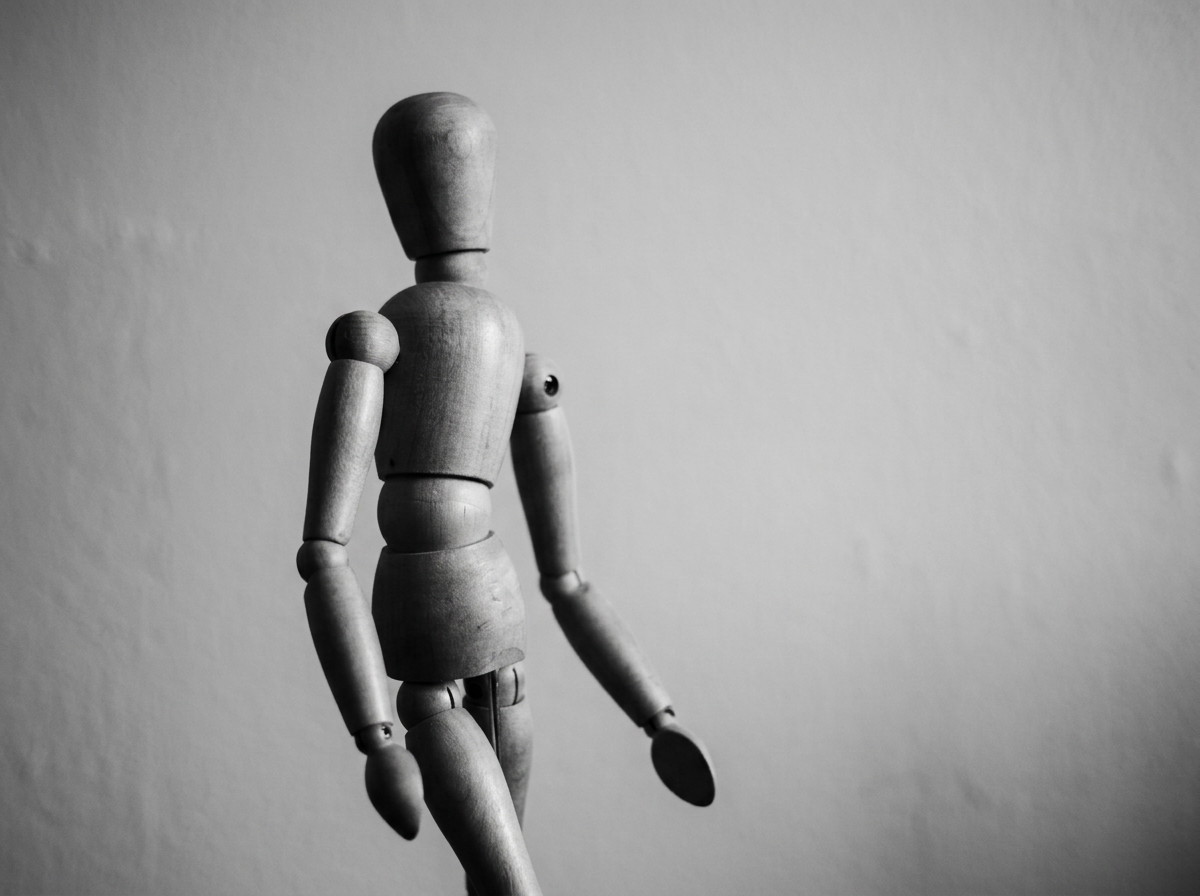
Not as memory, but as sensation.
As tension, bracing, vigilance, or quiet longing.
When something essential was missing—safety, attunement, protection, shared burden—the nervous system adapted. Over time, those adaptations often live in the body.
Below are common places where people notice holding, tightness, or ache—not as pathology, but as meaningful signals.
Feet / Ankles
Missing rootedness or freedom.
This is often where people hold the tension of wanting to run (flight), or of never quite feeling like they belonged. It can also relate to feeling stuck, immobilized, or unable to move forward when movement once felt unsafe.
Hands
Missing safe connection or agency.
The hands can represent a longing to reach—or to be reached for. They may also carry freeze when “reaching didn’t work,” when connection or help was unavailable, inconsistent, or unsafe.
Eyes / Forehead
Missing attunement or presence.
This area often tightens when someone has learned to always scan the environment, stay alert, or perform rather than simply be. It can hold the ache of wanting to be truly seen without having to manage or impress.
Shoulders / Upper Back
Missing shared burden.
This is where the weight of being “the responsible one” often accumulates. Common in people who were parentified, or who had to manage adult problems as children—learning early that there was no one else to lean on.
Hips / Pelvis / Lower Belly
Missing healthy boundaries or safe touch.
This area can hold unprocessed experiences of intrusion, violation, or emotional enmeshment. It is also the seat of creativity, sensuality, and life force—especially when those parts were shamed, suppressed, or cut off.
Lower Back
Missing support.
A deep somatic metaphor for “carrying too much alone.” Often held by those who had to grow up too soon, or who learned to be “the strong one” without being supported themselves.
Stomach / Gut
Missing nourishment or stability.
This is where the body can hold chaos, hypervigilance, or a lack of consistent care. It may also reflect internalized shame, especially when needs were minimized, ignored, or met unpredictably.
Jaw
Missing power or protection.
Tightness here can reflect having to clench, hold back anger, or manage overwhelming threat without an outlet. Often associated with learning early that expression or protest wasn’t safe.
Throat
Missing voice, space, or permission.
This area can hold the pain of silencing yourself—the cry that couldn’t come out, or the truth you weren’t allowed to say. It often reflects environments where expression was met with danger, dismissal, or withdrawal.
Chest
Missing warmth, safety, nurture, or attunement.
The ache of not being held, not being seen, not being comforted when afraid or sad. This is often one of the deepest places where longing lives.
A Closing Note
These patterns are not diagnoses.
They are stories of adaptation.
The body doesn’t hold pain randomly—it holds meaning. And healing is not about forcing release, but about creating enough safety for the body to no longer need to hold on.
Listening gently is often the first step.